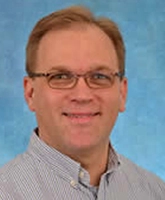
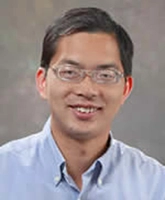
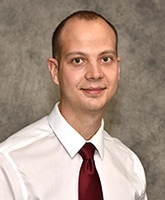
The Gene Expression SIG is newly constituted to further interest in research and advocacy focused on mechanisms of gene expression.
Recognizing that a growing human disease burden is associated with alterations in the regulation of gene expression, the Gene Expression SIG is organized to:
raise the awareness of the importance of gene regulation in human disease pathogenesis.
create a cross-disciplinary platform for understanding the significance of current research into the mechanisms of gene expression, including but not limited to transcription, DNA and chromatin modification, RNA processing, and translation.
promote cutting edge research and effective communication into the mechanisms of gene expression in disease and normal development.
identify new biomarkers and therapeutic targets based on the gene expression patterns and mechanisms of gene expression and translate these findings into treatment of human diseases.
We hope to expand educational opportunities in these areas through poster sessions, minisymposia and workshops at national and regional meetings. If you wish to participate or have questions or suggestions for our future activities please contact the co-chairs of the SIG.
ASIP Members are invited to participate in the Gene Expression SIG Listserv. Please email membership@asip.org to have your name and email address added to the listserv.
To send a message to the Gene Expression SIG Listserv, send your email to asipgene@asip.memberclicks.net. Please note that you must be a member of this listserv in order to send and receive messages.
Please direct all questions to: Lisa McFadden (240) 283-9712.
Associate Professor, Department of Health Promotion and Development
University of Pittsburgh School of Nursing
Dr. Cecelia Yates is an Associate Professor with Tenure in the Department of Health Promotion & Development in the School of Nursing at the University of Pittsburgh and holds secondary appointments in the Department of Bioengineering, Clinical and Translational Science Institute, and the McGowan Institute of Regenerative Medicine. Dr. Yates attended Tuskegee University (Tuskegee, Alabama), where she earned a BS in Biology/Chemistry in 2001, and a PhD in Integrative Biomedical Science and Pathology in 2010 in conjunction with the University of Pittsburgh School of Medicine. Dr. Yates did her advance training in a Postdoctoral Fellowship in Pathology and Regenerative Medicine at the University of Pittsburgh School of Medicine (2010-2012). She a continuous track record of innovative research and therapeutic development in the field of tissue repair.
Dr. Yates developed the first cellular and molecular pathology and tissue engineering laboratory for basic, clinical, and translational research within the University of Pittsburgh School of Nursing. Her research group investigates molecular pathways that drive tissue fibrosis and correlating them with patient-centric outcome measures of disease severity. Dr. Yates’ research has been supported externally by funding from the National Institute of Nursing Research, National Institute of General Medical Sciences, National Institute of Arthritis and Musculoskeletal and Skin Diseases, pharmaceutical and biotechnology companies, and internally by University of Pittsburgh Genomic Hub and Center for Medical Innovation.
Dr. Yates is currently engaged with various entrepreneurial activities related to her research. In the last 10 years she has submitted 16 invention disclosures to the Innovation Institute that have resulted in 11 issued U.S. patents, several international patents, and four licenses of her work. She is co-founder of three Pittsburgh-based start-up companies; Ocugenix LLC, a therapeutics company targeting macular degeneration, Curostem™ a cellular bio-band aid therapy for treatment of chronic wounds, and FibroKine™ INC which developments targeted chemokine peptide treatment for fibrosing diseases. Dr. Yates has formed purposeful partnerships with biotech companies and academic investigators nationally to target the underlying causes of organ fibrosis. Dr. Yates has been recognized for her emerging discoveries and inventions with several University of Pittsburgh Innovator Awards and as one of three faculty members to receive the Emerging Innovator Award 2021 from the University of Pittsburgh. She is also one of 6 faculty members from the University of Pittsburgh who has been elected as a Senior Member of the National Academy of Inventors.
Dr. Yates has a history of research productivity and excellence in mentoring and leadership. Dr. Yates has published 40 original papers, reviews, and book chapters. She is the co-editor of Fibrosis in Disease: An Organ-based Guide to Disease Pathophysiology and Therapeutic Considerations, (Humana Press – Springer, New York, NY). She is a Member of over 10 Editorial Boards and five Study Sections, and a Member of 12 Advisory Boards. She has served on 17 University Committees including elected chair and co-Chair of the university-wide Bylaws committee. She has mentored over 50 scholars, including junior faculty, PhD and post-doctoral fellows, medical residents, nursing, engineering, and pathology scholars, and graduate and undergraduate research students. She is the Co-Director of the University of Pittsburgh Clinical and Translational Science Fellowship Program (CTSA-TL1). Dr. Yates was awarded the Clinical and Translational Science Institute (CTSI) 2020 Distinguished Alumnus awardee, with recognizes excellence in scholarship, mentorship, and leadership in clinical and translational science. She also recently received the 2022 Chancellor’s Distinguished Research Award, one of the highest honors for a faculty member to receive at University of Pittsburgh.
As a member of the American Society for Investigative Pathology, Dr. Yates is a long-time member of the ASIP Council – she was the elected Chair of the ASIP Committee for Career Development and Diversity (CCDD) for six years and was elected Councilor At-large in 2020. Dr. Yates has served on the ASIP Education Committee, Research and Science Policy, Program, Membership, and Publications Committees. Previously, Dr. Yates served as Co-Chair of the ASIP Cell Injury Scientific Interest Group and contributed to the organization of several ASIP Annual Meetings, and PISA (Pathobiology for Investigators, Students, and Academicians) meetings. Dr. Yates also currently serves as the ASIP representative to the FASEB Excellence in Science Committee and Chair of the Committee for Equal Representation and Opportunity (CERO).

Charles L. Schepens Professor of Ophthalmology and Professor of Pathology
Harvard Medical School
Dr. Pat D’Amore is the Charles L. Schepens Professor of Ophthalmology and Professor of Pathology at Harvard Medical School and a Senior Scientist at Mass. Eye and Ear. She is the Associate Chief of Basic and Translational Research for Ophthalmology at Mass. Eye and Ear and the Vice Chair of Basic and Translational Research for the Department of Ophthalmology at Harvard Medical School. In ophthalmology at Mass Eye and Ear, she is the Director of the Postdoctoral Training Committee. Chair of the Nominations Committee, Co-Chair of the Mentoring Oversight. Board, Co-Director of the Age-related Macular Degeneration Center of Excellence and the Institutional Signing Official for the Mass Eye and Ear Animal Facility. At Harvard Medical School, Dr. D’Amore the Chair of the Faculty Committee for Scholarship in Medicine and the Chair of Committee on Honors and Awards. Nationally she is the Retinal Cell Biology Trustee and President-elect for the Association for Research in Vision and Ophthalmology (ARVO) and a member of the Executive Committee for the Ryan Initiative for Macular Research. Dr. D’Amore is immediate past President of the ASIP, Chair of the ASIP Nominating Committee, and an Associate Editor for the American Journal of Pathology. She is the recipient of a number of mentoring and service awards including: the A Clifford Barger Excellence in Mentoring Award from Harvard Medical School (2006) the Everett Mendelsohn Excellence in Mentoring Award from Harvard University (2013), the William Silen Lifetime Achievement in Mentoring Award from HMS (2016), and the Barbara J. McNeil Faculty Award for Exceptional Institutional Service from HMS (2018).