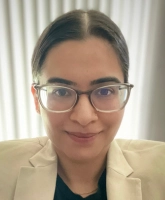
 Dr. Swati Chandla is a Post-Doctoral Scientist in the Karsh Division of Gastroenterology and Hepatology in the Department of Medicine at Cedars-Sinai Medical Center (Los Angeles, CA).
Dr. Chandla completed her BSc (with Honors), MSc (with Honors), and PhD from Panjab University (Chandigarh, India). Her doctoral training was supported by the highly competitive CSIR-UGC NET Fellowship (Junior and Senior Research Fellowship) from the Council of Scientific & Industrial Research (CSIR), Government of India.
Since the beginning of her academic career, Dr. Chandla has been deeply interested in translational biomedical research. Her work spans microbial pathogenesis and liver disease, beginning with studies on probiotic-derived biogenics to combat Pseudomonas aeruginosa infections and antimicrobial resistance during her PhD, and expanding during her postdoctoral training at Cedars-Sinai Medical Center to focus on the molecular mechanisms of alcohol-associated liver disease. Her current research investigates how post-translational modifications regulate metabolic and inflammatory signaling, while also contributing to translational studies in colorectal cancer and chemotherapy-induced liver injury.
Dr. Chandla joined the ASIP in 2024 and gave oral presentations at Pathobiology 2024 in Baltimore, MD, and Pathobiology 2025 in Portland, OR. She has received several honors, including the Samuel L. French Junior Scientist Award by Southern California Research Center for ALPD & Cirrhosis; Junior investigator award from the National Institute on Alcohol Abuse and Alcoholism at RSA Scientific Annual Meeting 2025, and travel award by the National Institute on Alcohol Abuse and Alcoholism at the 22nd Liver Sinusoid Meeting 2024.
Connect with Dr. Chandla on LinkedIn and Follow Women in Pathology on Facebook, X, and Instagram.
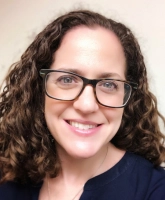 Dr. Gabrielle Fredman is Professor and Vice Chair of the Department of Molecular and Cellular Physiology at Albany Medical College (Albany, NY).
Dr. Fredman completed her PhD in 2009 from Boston University (Boston, MA) before pursuing postdoctoral training at Brigham and Women’s Hospital/Harvard Medical School (Boston, MA), where she investigated the chemical biology of lipid mediators in inflammation resolution. She later completed a second post-doctoral fellowship at Columbia University Medical Center (New York, NY), focusing on the actions of pro-resolving lipid mediators in atherosclerosis.
At Albany Medical College, Dr. Fredman directs a research program on the molecular mechanisms that regulate inflammation resolution in atherosclerosis and age-related diseases. Her work has been pivotal in advancing the field, from developing novel mouse models to identifying biochemical signatures that link impaired resolution to atherosclerosis pathogenesis. These discoveries have positioned her at the forefront of efforts to harness the body’s endogenous repair pathways for new therapeutic strategies.
Dr. Fredman’s research program has been continuously supported by the NIH and private foundations. Her contributions have earned her both national and international recognition, including awards from the American Heart Association (AHA) and the Eicosanoid Research Foundation, keynote and plenary lectures, and invitations to organize symposia and conferences on inflammation resolution.
In addition to her research, Dr. Fredman plays an active leadership role in professional societies, including the AHA and the North American Vascular Biology Organization (NAVBO). She is deeply committed to promoting women in science and serves as a dedicated mentor, training the next generation of scientists.
Dr. Fredman joined the ASIP last year, participating as an invited speaker at Pathobiology 2025 in Portland, OR. She will be co-chairing a session at Pathobiology 2026 in Fort Myers, FL, this month. Although a newer member, she has been consistently impressed by the Society’s supportive and collaborative culture and is eager to become more involved and contribute to the community.
Beyond the bench, Dr. Fredman loves exercise and spending time outdoors. She has completed many triathlons, including the Lake Placid Ironman Triathlon several years ago. She also enjoys hiking and spending time outdoors, and especially sharing these experiences with friends and family.
Connect with Dr. Fredman on LinkedIn and Follow Women in Pathology on Facebook, X, and Instagram.
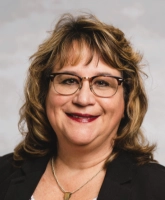 Dr. Shannon S. Glaser is a Professor and Associate Department Head in the Department of Medical Physiology at Texas A&M University (TAMU), Naresh K. Vashisht College of Medicine (Bryan-College Station, TX), where she also holds a joint appointment in the Department of Medical Education.
Dr. Glaser completed both her BS and MS in biochemistry from TAMU and a PhD in medical sciences from Texas A&M Health Science Center (Houston, TX). Dr. Glaser has been a sustained and innovative contributor to medical education at Texas A&M University Naresh K. Vashisht College of Medicine for nearly two decades. She has served as a core faculty member in the Foundations of Medicine I course, most recently as Co-Course Director, and taught GI pathophysiology to medical students, graduate students, and residents across multiple course formats. An early adopter of active and technology-enhanced learning, she pioneered the conversion of traditional lectures into self-directed eLearning modules and has championed gamification and competency-based approaches to medical education, sharing these innovations through the Academy of Distinguished Medical Educators, of which she is a member. Her educational leadership has extended to service on the TAMU Naresh K. Vashisht College of Medicine Curriculum Committee (including a term as Chair), the Pre-Clerkship Committee, the MD/PhD Steering Committee, and the STRIKE Competency-Based Medical Education Implementation Committee. Her commitment to teaching excellence has been recognized with the R. Kelly Hester Distinguished Teaching Award from the Texas A&M University Naresh K. Vashisht College of Medicine.
Dr. Glaser’s research program is focused on understanding the cellular and molecular mechanisms that regulate cholangiocyte (biliary epithelial cell) biology in the context of chronic liver disease. With a career spanning nearly three decades, her work has made foundational contributions to our understanding of cholangiocyte proliferation and secretion in response to hormones, bile acids, neuropeptides, and inflammatory signals. Her current NIH-funded research centers on the role of the innate immune signaling pathway STING (Stimulator of Interferon Genes) in cholestatic liver injury, as well as the neuroendocrine regulation of the ductular reaction during alcohol-induced liver injury via Substance P signaling. In parallel, her laboratory investigates the pathogenesis and progression of cholangiocarcinoma (bile duct cancer), including the tumor-lymphatic crosstalk that drives tumor growth, and has more recently explored the gut-liver axis and bacterial-derived therapeutic strategies in biliary liver disease. Collectively, her research integrates physiological, cellular, and translational approaches to identify novel therapeutic targets for cholestatic liver diseases and primary liver cancers.
Dr. Glaser joined the ASIP in 2016 and is an active participant on the Education Committee and Research and Science Policy Committee (RSPC). In 2021, she hosted TAMU undergraduate student, Danaleigh Stiles, as part of the ASIP Summer Research Opportunity Program in Pathology (SROPP). Ms. Stiles is currently a medical student at the University of Texas at Tyler School of Medicine. Dr. Glaser has attended the Pathobiology for Investigators, Students, and Academicians (PISA) Young Investigators Virtual Meetings, ASIP Annual Meetings at Experimental Biology, as well as Pathobiology: Mechanisms of Disease. Unfortunately, Dr. Glaser will miss Pathobiology 2026 this month, as she is helping lead a mission trip assisting a growing church community in Anchorage, AL.
Outside the lab, Dr. Glaser is a rancher at heart. She and her husband, Darrell, own and operate Bar G Ranch, a 500-acre family farm in Rogers, Texas, that has been in the Glaser family for over a century. Together they built a commercial turkey operation, raising more than 14 million turkeys over two decades, and today manage a herd of 300 Beefmaster cattle. Saving the family farm meant putting her own PhD on hold and ultimately completing it while working full-time as a research laboratory technician and raising four children. It’s a chapter of her life she wears proudly, and one that deeply shapes how she mentors the next generation of scientists, particularly those navigating non-traditional paths into research and medicine.
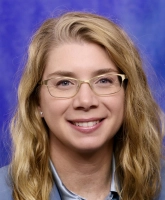 Dr. Allie Harris Grossmann is a mid-career surgical and molecular pathologist and investigator at the Providence Cancer Institute of Oregon (Portland, OR). She completed medical school and graduate school at Oregon Health & Science University (Portland, OR), followed by residency in Anatomic Pathology, a clinical fellowship in Molecular Genetic Pathology, and a postdoctoral research fellowship in the Molecular Medicine Program at the University of Utah (Salt Lake City, UT).
From 2013–2024, Dr. Grossmann was tenure-track faculty at the University of Utah, where she specialized in Solid Tumor Molecular Pathology and Bone/Soft Tissue Pathology. She established a cancer research program focused on molecular mechanisms of tumor progression, metastasis, and therapy resistance, particularly in melanoma. In 2024, she relocated from Salt Lake City to Portland, OR, for proximity to her family and to join an innovative team of translational cancer immunology investigators at the Earl A. Chiles Research Institute at Providence.
Through the years, Dr. Grossmann has mentored high school, undergraduate, graduate, medical students, and postdoctoral scientists. She has participated in teaching medical students, graduate students, residents, and fellows. She has procured extramural research funding from the NIH/NCI, Department of Defense, and the American Cancer Society, and has served as a reviewer for NIH, DoD, and SITC grant study sections. She has supported clinical research as a Pathology Medical Director Liaison for the Huntsman Cancer Institute Clinical Trials Program (Salt Lake City, UT) and as a member of the NCI/SWOG Cancer Research Network ImmunoMATCH Biomarker & Specimen Management Working Group.
Dr. Grossmann has been a member of the ASIP since 2023. She and three of her trainees participated in and presented posters at the 2023 Tissue, Matrix & Pathobiology meeting in Salt Lake City. In 2025, she joined the ASIP Research and Science Policy Committee (RSPC).
Outside of her professional life, Allie enjoys hiking, reading, traveling (especially to National Parks and coastal areas), and family gatherings. Fun fact—Allie’s pursuit of science and discovery began as a child, growing up on a catfish farm in a rural agricultural community in Florida, where she participated in animal husbandry, fishing, aquaculture, and horticulture, and where she became a fan of NASA’s space exploration programs.
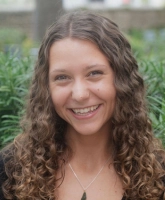 Makenna Grozis is an undergraduate honors fellow at Elon University (Elon, NC), double-majoring in biology and public health. Last year, Makenna was awarded the Lumen Grant for her research on endocrine disruptors, the microbiome, and autoimmune diseases at Elon.
Makenna is a two-time ASIP Summer Research Opportunity Program in Pathology (SROPP) student. She joined the ASIP in 2024 while interning for Dr. Mindy Engevik at the Medical University of South Carolina (Charleston, SC). The following summer, she returned to MUSC, this time joining Dr. Amy Engevik’s lab. Her research at MUSC focused on the impacts of a high-fat diet on the gastric epithelium.
Makenna presented her research at Pathobiology 2025 in Portland, OR—her first national conference! She received a travel award sponsored by The Histochemical Society to attend the meeting. Makenna also presented at the 2025 Pathobiology for Investigators, Students, and Academicians (PISA) Young Investigators Virtual Meeting and received a Gold Award for her outstanding research.
Connect with Makenna on LinkedIn and follow Women in Pathology on Facebook, X, and Instagram.
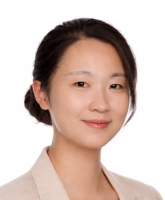 Siyi (Alice) Jiang is a PhD candidate in the Cellular and Molecular Pathology Graduate Program at the University of Pittsburgh School of Medicine (Pittsburgh, PA). She earned her BS in biology from the University of Washington (Seattle, WA).
Alice conducts research in the laboratory of Dr. Stephen Chan at the Vascular Medicine Institute, where she studies molecular mechanisms underlying pulmonary vascular disease and endothelial dysfunction. Her work focuses on how genetic variation and long-range chromatin interactions regulate gene expression in vascular cells, with the goal of identifying new mechanisms contributing to pulmonary hypertension. Alice is supported by the American Heart Association Predoctoral Fellowship, recognizing her research on vascular biology and disease mechanisms. She plans to pursue a career as a physician-scientist, integrating clinical medicine with translational research to better understand and treat vascular diseases.
Alice has been an active trainee member of the ASIP since 2024. She currently serves as a member of the Career Development Committee and as a student leader for the Repair & Regeneration Scientific Interest Group (SIG), where she helps facilitate trainee engagement and scientific discussions within the community. Through ASIP, she participates in scientific meetings and trainee-focused initiatives that promote mentorship, collaboration, and career development for early-stage investigators interested in disease pathogenesis and translational research.
Outside the lab, Alice enjoys cooking and baking, particularly making traditional pastries. She is also passionate about staying active and enjoys sports such as swimming and badminton.
Connect with Alice on LinkedIn and follow Women in Pathology on Facebook, X, and Instagram.
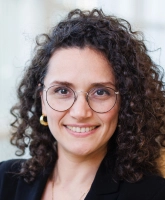 Dr. Enis Kostallari is an Assistant Professor of Medicine and Assistant Professor of Biochemistry and Molecular Biology at the Mayo Clinic College of Medicine and Science (Rochester, MN), and Associate Consultant I, in the Division of Gastroenterology and Hepatology at the Mayo Clinic (Rochester, MN).
Originally from Albania, Dr. Kostallari earned a BS from the University of Poitiers (France), an MS from the University of Evry (France), and a PhD from Paris-Est University (France). During her doctoral studies, Dr. Kostallari worked on the role of pericytes during skeletal muscle postnatal development. Shortly after, she joined the laboratory of Dr. Vijay Shah at Mayo Clinic for her postdoctoral training, where she studied the role of liver pericytes, called hepatic stellate cells, during chronic liver disease.
In 2020, Dr. Kostallari started her independent research program, where she continues to study hepatic stellate cell biology, including but not limited to metabolism, epigenetics, organelle biology, and extracellular messengers. Dr. Kostallari has received awards from the NIH, the American Association for the Study of Liver Diseases (AASLD), Gilead, the Mayo Clinic, and others to support her research program. In addition to science, she is a mentor to students and postdocs and a member of committees in multiple scientific societies.
Dr. Kostallari joined the ASIP in 2024 and subsequently joined the Education Committee and the Research and Science Policy Committee (RSPC). Outside of research, Dr. Kostallari loves spending time with her family (a mom of two smart and handsome boys!), reading classical books, playing piano, and relaxing on the beach.
Connect with Dr. Kostallari on LinkedIn, X, and/or Bluesky, and follow Women in Pathology on Facebook, X, and Instagram.
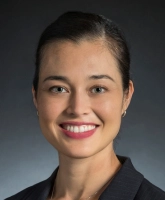 Dr. Tatianna (Tasha) Larman is a physician-scientist and Gastrointestinal and Liver Pathologist at the Johns Hopkins University School of Medicine (Baltimore, MD).
Dr. Larman earned her BA from Harvard University (Cambridge, MA) and her MD from UC San Diego School of Medicine (San Diego, CA). During medical school, she spent two years as a Howard Hughes Medical Institute (HHMI) Medical Fellow in the Jonathan and Kricket Seidman laboratory (Boston, MA) studying cancer genomics. She completed an anatomic pathology residency at Johns Hopkins Hospital (Baltimore, MD), during which she spent a year of postdoctoral research in the laboratory of Dr. Rong Li, followed by fellowship training in GI and liver pathology.
Dr. Larman joined the faculty at Johns Hopkins in 2019 and is the current Director of Clinical GI and Liver Pathology. Dr. Larman leads a basic research program focused on microenvironmental and molecular mediators of the normal to neoplastic transition in human colon epithelium. She recently joined the ASIP after encouragement from Dr. Fred Sanfilippo and Dr. Diane Bielenberg (who was a beloved lab bay neighbor at Children’s Hospital Boston long ago). She participates in the Research and Science Policy Committee (RSPC) and looks forward to actively contributing to the Society for years to come.
Beyond the microscope, Dr. Larman is interested in playing guitar, Italian language and culture, baking and cooking, and spending time with her family and friends.
Connect with Dr. Larman on LinkedIn and X, and follow Women in Pathology on Facebook, X, and Instagram.
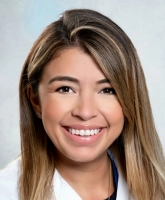 Dr. Stephania Libreros is an Assistant Professor in the Department of Pathology at Yale University (New Haven, CT), where she is a member of the Vascular Biology and Therapeutics Program and the Yale Cancer Center.
Dr. Libreros completed her BS in microbiology, molecular cell biology, and biotechnology, MS in molecular cell biology, and PhD in integrative biology/immunology at Florida Atlantic University (Boca Raton, FL). She then pursued postdoctoral training at Harvard Medical School (Boston, MA) and Brigham and Women’s Hospital (Boston, MA), where her research helped define the biosynthesis and functions of specialized pro-resolving lipid mediators in leukocyte signaling, phagocytosis, and host defense. She subsequently served as an Instructor in Anesthesia at Harvard Medical School before joining the Yale faculty in 2023. Her transition to independence was supported by an NIH K99/R00 Pathway to Independence Award.
Dr. Libreros’ lab focuses on uncovering the biochemical, immunological, and molecular mechanisms that restore tissue-specific resolution of inflammation following pathological insults and seeks to understand why these processes sometimes fail, resulting in chronic inflammation or cancer. A central focus of her research is the elucidation of lipid and lipid mediator signaling pathways that regulate myeloid cell function and heterogeneity, and how these pathways govern the resolution phase of inflammation.
Her research program integrates immunology, lipid biology, and translational models of disease to investigate how inflammatory resolution is regulated in infection, vascular disease, and cancer. Dr. Libreros’ laboratory is particularly interested in defining how lipid mediator networks control neutrophil and myeloid cell function, heterogeneity, and tissue responses during disease. Her research has received support from the National Institutes of Health and the American Cancer Society, and her scientific contributions have been recognized with several honors, including the Society for Leukocyte Biology Early Career Award, and the Eicosanoid Research Foundation Santosh Nigam Outstanding Young Scientist Award. Dr. Libreros is deeply committed to mentorship and scientific service. She contributes to the broader scientific community through editorial leadership and peer review, including as an Associate Editor for the Journal of Leukocyte Biology and as a member of the FASEB Journal.
Dr. Libreros joined the ASIP in 2022. She presented research at Pathobiology 2025 in Portland, OR, and Pathobiology 2026 in Fort Myers, FL.
Beyond the bench, she is a certified yoga instructor who enjoys yoga, meditation, and baking as practices that bring creativity, balance, and mindfulness to her life.
Connect with Dr. Libreros on LinkedIn and X. and follow Women in Pathology on Facebook, X, and Instagram.
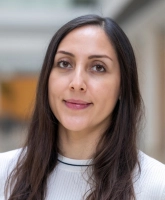 Dr. Jael Miranda-Guzman is a Research Investigator in the Nusrat and Brazil laboratories in the Department of Pathology at the University of Michigan (Ann Arbor, MI).
Dr. Miranda-Guzman earned a BS in pharmaceutical chemistry and biology from Universidad Autonoma Metropolitana (Mexico City, Mexico) and went on to complete both an MSc in infectiology and molecular pathogenesis and a PhD in cellular and molecular physiology at the Center for Research and Advanced Studies (Mexico City, Mexico). Her doctoral research examined how Zika and Dengue virus infection disrupt tight junction regulation and barrier function in placental and blood–brain barrier endothelium.
Dr. Miranda-Guzman joined the University of Michigan in 2021 as a postdoctoral research fellow in Dr. Nusrat’s lab and transitioned to her current research investigator role this year. Her work centers on immune–epithelial crosstalk in intestinal mucosal wound repair and inflammatory resolution, with a focus on specialized pro-resolving mediators (SPMs), cytokine networks, and epithelial/immune sialidases, as well as nanoparticle-based strategies to enhance SPM stability, bioavailability, and mucosal targeting for therapeutic development in inflammatory bowel disease.
Dr. Miranda-Guzman’s research has been published in journals including PNAS, Gastroenterology, and JCI Insight, publishing studies demonstrating the therapeutic potential of Maresin-2 encapsulated in thermostable nanoparticles to promote mucosal repair. She has received competitive recognition for her work, including a Crohn’s & Colitis Foundation Research Fellowship Award (2022–2025)
Dr. Miranda-Guzman has been a member of the ASIP since 2025, presenting research at Pathobiology 2025 in Portland, OR. She delivered her talk titled, “Nanoparticle Encapsulation of Protectin D1 and DX: Advancing Colonic Repair Therapy with Pro-Resolving Mediators” and received the Marion and Lawrence (Larry) Muller Trainee Scholar Award for Excellence in Inflammation Research.
Beyond the bench, Dr. Miranda-Guzman is a proud mom! Having her daughter while in high school has provided the biggest inspiration—being a support every step of her academic journey and beyond. Her daughter lives in Tulum on Mexico’s Caribbean coast, and whenever possible, Dr. Miranda-Guzman visits her to recharge with sunshine, turquoise seas, and great food.
Connect with Dr. Miranda-Guzman X and follow Women in Pathology on Facebook, X, and Instagram.
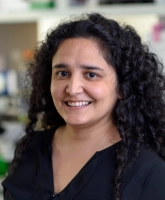 Dr. Fresia Pareja is an Assistant Attending Breast Pathologist and Physician-Scientist in the Department of Pathology and Laboratory Medicine at Memorial Sloan Kettering (MSK) Cancer Center (New York, NY). She is also Co-Director of the MSK Lobular Breast Cancer Program (New York, NY).
Dr. Pareja earned her MD from the Universidad Catolica de Santa Maria (Peru) and PhD from the Weizmann Institute of Science (Israel). She completed two fellowships (Oncologic Surgical Pathology and Breast Pathology) at MSK and a pathology residency at New York-Presbyterian Hospital/Columbia University Medical Center (New York, NY).
Dr. Pareja’s research focuses on the molecular basis of special histologic subtypes of breast cancer, particularly lobular breast cancer, and the identification of novel therapeutic targets. She also has a strong interest in the role of the endolysosomal pathway in cancer therapeutics. Her work has advanced understanding of the genetic underpinnings of breast neoplasms, contributing to the refinement of breast cancer molecular taxonomy within the context of precision medicine. In addition, her research has uncovered a genetic link between endocytosis and tumorigenesis and led to the discovery of cancer-causative mosaic mutations arising during early embryogenesis.
She previously served as President of the Latin American Pathology Foundation and is currently a member of the Scientific Advisory Board of the Lobular Breast Cancer Alliance. Dr. Pareja has received prestigious accolades, including the NCI K12 Paul Calabresi Career Development Award for Clinical Oncology, the MSK Department of Pathology and Laboratory Medicine Inaugural Young Investigator Award, and the 2024 Ramzi Cotran Young Investigator Award from the United States and Canadian Academy of Pathology (USCAP). She is Deputy Editor of npj Precision Oncology and Section Editor of Molecular Oncology, and a member of the World Health Organization Expert Panel for the Classification of Breast Tumours.
Dr. Pareja has been a member of the ASIP since 2024 and is participating this year in the ASIP Summer Research Opportunity Program in Pathology as a mentor, hosting an undergraduate student.
Outside of work, Dr. Pareja enjoys swimming. She previously practiced synchronized swimming and can hold her breath underwater for a long time.
Connect with Dr. Pareja on X and follow Women in Pathology on Facebook, X, and Instagram.
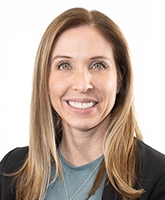 Dr. Traci Parry is an Assistant Professor in the Department of Kinesiology at the University of North Carolina at Greensboro (Greensboro, NC).
Dr. Parry earned her PhD in exercise physiology from the University of Northern Colorado (Greeley, CO) while conducting research at the UNC Cancer Rehabilitation Institute. Dr. Parry is a clinical exercise physiologist, directs the Exercise Oncology and Myoprotection Laboratory. Before joining UNCG, she was a postdoctoral research fellow at the McAllister Heart Institute (Chapel Hill, NC) within the University of North Carolina, Chapel Hill system.
Dr. Parry’s research program investigates the therapeutic use of exercise to prevent and rehabilitate muscle wasting disorders that arise from chronic illness (i.e. cancer cachexia). Specifically, her research aims to understand 1) the mechanisms of muscle wasting and dysfunction, 2) the ability of various forms of exercise to mitigate or prevent tumor growth and associated muscle wasting, and 3) the potential synergistic benefits of exercise in conjunction with anti-tumor and anti-muscle wasting pharmaceutical therapies.
Dr. Parry has been a member of the ASIP for 12 years. She is a co-leader of ASIP Women in Pathology and was elected to the Council as an Early-in-Career At-Large Councilor in 2025. She is a member of the Committee for Career Development, Committee for Equal Representation and Opportunity, Membership Committee, and Programming Committee. She received the ASIP Young Scientist Leadership Award in 2020. Dr. Parry consistently attends ASIP meetings and events, including the Annual Meeting, Pathobiology: Mechanisms of Disease.
Beyond the bench, Dr. Parry enjoys all things sports – especially cheering on Colorado-based teams: Colorado Avalanche, Denver Nuggets, Colorado Rockies, and Denver Broncos. She also enjoys sunshine and outdoor activities, including running, hiking, and gardening.
Connect with Dr. Parry on LinkedIn and follow Women in Pathology on Facebook, X, and Instagram.
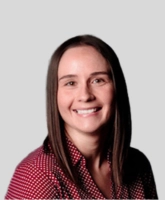 Dr. Cornelia Peterson is an Assistant Professor of Anatomic Pathology in the Department of Comparative Pathobiology at Cummings School of Veterinary Medicine, Tufts University (North Grafton, MA) and an Associated Principal Investigator at the Tufts Vision Research Center at the Tufts Medical Center (Boston, MA). She currently holds the Elizabeth Arnold Stevens Faculty Development Endowed Professorship.
Dr. Peterson earned her BS in Zoology (2010), DVM (2014), and PhD in Vision Science (2019) from The Ohio State University (Columbus, OH), with an anticipated MS in Translational Pharmacology in Spring 2026. She completed a small animal rotating internship from 2014–2015 at the University of Illinois Veterinary Teaching Hospital (Urbana, IL) and served as a graduate teaching assistant at Ohio State’s College of Optometry from 2015 to 2019. Following her veterinary anatomic pathology residency at Johns Hopkins University School of Medicine (Baltimore, MD) from 2019 to 2022, she achieved status as Diplomate of the American College of Veterinary Pathology (ACVP) in 2022. After completing her concurrent postdoctoral fellowship at Wilmer Eye Institute (Baltimore, MD), she joined Tufts as faculty in 2023.
Dr. Peterson’s research investigates molecular mechanisms in ocular surface and adnexal diseases, including Meibomian gland oncogenesis (focusing on MYC dysregulation), corneal wound healing, diabetic keratopathy, and keratoconus. Her work has yielded numerous peer-reviewed publications and a book chapter on sensory organs in veterinary histology. She has secured an NIH K01 grant through the Office of Research Infrastructure Programs and LRP funding with NEI.
In addition to research, Dr. Peterson teaches in the pre-clinical veterinary and medical curricula and contributes to graduate training in the combined DVM/MS in Laboratory Animal Medicine Program at Tufts, while mentoring DVM students and house officers. She also provides research pathology support to investigators across the Harvard Medical School system through the Tufts Comparative Pathology & Genomics Shared Resource.
Dr. Peterson has received the Cummings Junior Faculty Research Award (2024), the Alliance for Eye Research’s Emerging Vision Scientist Fellowship (2024), the Pathology Young Investigator Award (2022), and multiple travel awards to attend the annual meeting of the Association for Research in Vision and Ophthalmology (ARVO). She has been a member of the International Society for Ocular Oncology, the Society for Comparative Ocular Pathology, the International Society for Eye Research, the ACVP, and ARVO, and has just completed the ARVO’s Women’s Leadership Development Program. She joined the ASIP in 2025 and plans to take active roles in the Women in Pathology community and both the Ocular Pathobiology and Veterinary and Comparative Pathology SIG’s.
Connect with Dr. Peterson on LinkedIn and follow Women in Pathology on Facebook, X, and Instagram.
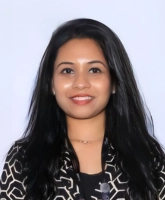 Bella Raphael is a PhD researcher at the Manresa Laboratory, UCD School of Biomolecular and Biomedical Science, University College Dublin (Dublin, Ireland). Originally from India, she moved to the UK and Ireland for her higher education, a transition that has shaped both her academic and personal development.
Bella earned a BSc in biotechnology from Mahatma Gandhi University (Kerala, India), an MSc in cancer research and molecular biomedicine from the University of Manchester (Manchester, England), and an MRes in medical sciences from the University of Central Lancashire (Preston, England). During her postgraduate training, she investigated how bacterial infection influences pancreatic cancer progression. She also explored cell adhesion mechanisms involving talin and vinculin and examined how extracellular matrix stiffness affects epithelial cell behaviour in 3D culture systems. Bella’s doctoral research focuses on how the inflammatory factor TWEAK represses homeostatic signalling and disrupts intestinal fibroblast–epithelial communication, contributing to a deeper understanding of inflammatory bowel disease. She has presented her work at national and international conferences, including the American Physiology Summit and the 2nd International Workshop on Liver and Gut Fibrosis, and is a two-time poster prize winner at the UCD Conway Festival (2024, 2025).
Bella joined the ASIP earlier this year and will deliver an oral presentation at Pathobiology 2026 in Fort Myers, FL, this month. Alongside her research, she enjoys mentoring students and supporting them in developing practical and analytical skills.
Outside the lab, Bella enjoys travelling, exploring new places and cuisines, and shopping. As part of an international lab environment, she also enjoys sharing and learning different languages with colleagues, which adds a unique and engaging dimension to daily lab life. Looking ahead, she aims to continue in academia, further exploring cell–cell interactions using advanced 3D model systems to better understand tissue behaviour in health and disease.
Connect with Bella on LinkedIn and follow Women in Pathology on Facebook, X, and Instagram.
 Dr. Tapasree Roy Sarkar is an Assistant Professor in the Department of Biology at Texas A&M University (College Station, TX).
Dr. Sarkar earned her PhD in biological engineering from Purdue University (West Lafayette, IN). Following her postdoctoral training at the National Cancer Institute (Frederick, MD) and MD Anderson Cancer Center (Houston, TX), she joined Texas A&M University as a faculty member.
Dr. Sarkar’s research focuses on understanding how the tumor microenvironment (TME) drives tumor progression and therapeutic resistance in breast cancer. Using integrated in vitro, in vivo, and organoid models, her work aims to define the cellular and molecular mechanisms by which the TME regulates cancer cell behavior and treatment response.
Her recent work (Oncogene, 2025) on the impact of circadian disruption (e.g., shift work and jet lag) on aggressive mammary tumorigenesis has been featured in Forbes and over 100 media outlets worldwide. Her research is supported by grants from the National Cancer Institute, the National Institute of General Medical Sciences, and the National Institute of Environmental Health Sciences. Dr. Sarkar is deeply committed to educational excellence, actively mentoring undergraduate and graduate students and postdoctoral fellows from diverse backgrounds, guiding them toward successful careers in medicine and biomedical research.
Dr. Sarkar has been a member of the ASIP since 2017 and is the recipient of the 2026 Fred Sanfilippo-ASIP Visiting Lectureship Award, recognizing her outstanding contributions and potential as a rising leader in cancer biology. She has been nominated as a 2026 TAMEST (Texas Academy of Medicine, Engineering, Science and Technology) Protégé and was the recipient of the 2024 Southeastern Conference Visiting Faculty Award.
Connect with Dr. Sarkar on LinkedIn and follow Women in Pathology on Facebook, X, and Instagram.
 Michelle L. Thayer is a PhD candidate in biochemistry, biophysics, and molecular biology at Iowa State University (Ames, IA). She earned a BS in biotechnology (Magna Cum Laude) from Grand View University (Des Moines, IA) and an MS in molecular, cellular, and developmental biology from Iowa State University.
Michelle’s research uses Drosophila melanogaster and zebrafish models to investigate gene regulation in metabolism, inflammation, aging, and development through CRISPR, RNAi, physiological assays, and automated behavioral phenotyping.
Michelle has received several honors and awards, including the Alice Barton Scholarship, the David Gladson Scholarship, NIH Research Supplemental Grant, Sui Tong Chan Fung Fund Travel Award, and recognition through Gamma Sigma Delta and the CALS Honor Society. She is passionate about civic engagement, translational science, scientific communication, mentoring, and creating pathways for students from all backgrounds to succeed in STEM.
Michelle has been a member of ASIP since 2023 and participates in the Education Committee and the Research and Science Policy Committee (RSPC). She presented at the 2025 Pathobiology for Investigators, Students, and Academicians (PISA) Young Investigators Virtual Meeting and received an Honorable Mention Award for her research. Michelle will attend and present a poster at Pathobiology 2026 in Fort Myers, FL, this month.
Outside of research, Michelle enjoys reading, spending time with her children, being in nature, traveling, and playing with her dog. She is also deeply committed to civic science, mentoring and community service.
Connect with Michele on LinkedIn and read her blog, and follow Women in Pathology on Facebook, X, and Instagram.
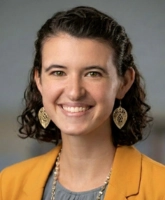 Alexandra (Ali) Tomasevich is a third-year PhD candidate in Dr. Jessica Hartman’s laboratory at the Medical University of South Carolina (MUSC). She earned her BA in biological sciences with a minor in chemistry from Goucher College (Baltimore, MD) in 2019.
As an undergraduate researcher, Ali worked in the laboratory of Dr. Robert Slocum, investigating the role of apyrase in plant metabolism. Following her bachelor’s degree, Ali worked as a research specialist in the laboratory of Dr. Douglas H. Smith in the neurosurgery department at the University of Pennsylvania (Philadelphia, PA), where she studied the mechanisms of traumatic brain injury in vivo and developed a strong foundation in immunohistochemistry techniques.
Her time with the Smith lab imparted a love for both pathology and medical research and ultimately led to her pursuing a graduate degree in biomedical sciences at MUSC. As a doctoral candidate, Ali’s research focuses on the role of cytochrome P450 isoform 2E1 (CYP2E1) and how this enzyme affects intestinal barrier function, both at baseline and within the context of high-fat and ketogenic diets.
Throughout her career, Ali has had the opportunity to mentor several undergraduate students and is passionate about connecting with young scientists and passing on her love of research. A firm believer that science is for everyone, she is passionate about disability advocacy and promoting accessibility and inclusivity in research.
Ali previously presented her research at the virtual PISA Young Investigator Meeting in 2025. She will be attending Pathobiology 2026 in Fort Myers, FL, for the first time! Ali received a Histochemical Society-sponsored Trainee Travel Award for the meeting and will be giving an oral presentation on her research. Ali is looking forward to connecting with fellow scientists who are passionate about mentorship and promoting diversity in research.
Beyond the bench, Ali is also heavily involved with her local animal shelter and regularly serves as a foster for kittens and cats with medical needs.
Connect with Ali on LinkedIn and follow Women in Pathology on Facebook, X, and Instagram.
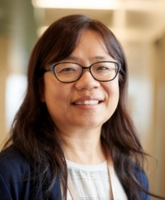 Dr. Chunyue Yin is an Associate Professor in the Division of Gastroenterology, Hepatology, and Nutrition at Cincinnati Children’s Hospital Medical Center (Cincinnati, OH) and co-director of the Center for Undiagnosed and Rare Liver Diseases. Her research focuses on understanding the genetic and molecular mechanisms underlying inherited chronic intrahepatic cholestasis.
Dr. Yin received her BS in biology from Fudan University (Shanghai, China) and her PhD from Vanderbilt University (Nashville, TN), where she studied cell movements during early embryonic development using zebrafish. She completed her postdoctoral training at the University of California, San Francisco, where she developed innovative zebrafish models to study liver development and injury. During this time, she received the NIH Pathway to Independence Award (K99/R00). Since establishing her laboratory at Cincinnati Children’s in 2013, Dr. Yin has focused on uncovering the genetic causes of inherited childhood cholestasis. Her team developed the first zebrafish model of bile salt export pump deficiency and identified disease-causing variants in ABCC12 linked to cholangiocyte injury and intrahepatic cholestasis. Her research integrates human genetics with zebrafish, mouse, and cellular models to better understand rare liver diseases and develop new therapeutic strategies for affected children.
Dr. Yin’s research has been supported by grants from the National Institute of Diabetes and Digestive and Kidney Diseases, National Institute on Alcohol Abuse and Alcoholism, National Center for Advancing Translational Sciences, the American Gastroenterological Association, as well as institutional and philanthropic funding. Dr. Yin joined the ASIP in 2022 and is an active member of the Education Committee and Career Development Committee.
Beyond the bench, Dr. Yin is deeply committed to mentoring and training the next generation of scientists, including undergraduate and graduate students, postdoctoral fellows, and research staff. She is also actively involved in patient outreach and education, contributing monthly scientific blogs to PFIC Network, delivering webinars for patient communities, and hosting laboratory tours for families affected by rare liver diseases. Outside the laboratory, she enjoys spending time in nature. As a zebrafish researcher, she has a special appreciation for aquatic life and enjoys scuba diving and snorkelling! She also enjoys hiking with her family.
Connect with Dr. Yin on LinkedIn and follow Women in Pathology on Facebook, X, and Instagram.
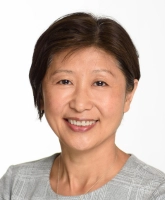 Dr. Lee-Ching Zhu is a Clinical Associate Professor of Pathology at the University of North Carolina at Chapel Hill (Chapel Hill, NC).
Dr. Zhu earned a BS in biology from Peking University (Beijing, China) and an MD from Peking Union Medical College (Beijing, China). She also holds an MA in biological sciences from the State University of New York (Buffalo, NY).
Before transitioning to academic pathology in 2021, Dr. Zhu spent 13 years as a general pathologist at Kaiser Permanente (Seattle, WA), where she also served in leadership roles, including Medical Director and Interim Chief of Pathology. Those years of frontline diagnostic work gave her a deep appreciation for the real-world challenges pathologists face and strongly shaped her academic interests.
Drawing on her background in molecular biology, immunology, and diagnostic pathology, Dr. Zhu’s research focuses on correlating histologic disease patterns with their genetic and molecular underpinnings. Much of her current work centers on liver tumorigenesis and other diagnostically challenging diseases. Her research has been recognized through presentations at national and international conferences, as well as a recent publication titled “Transcriptomic Classification and Clinicopathologic Correlation of Hepatocellular Neoplasms with Steatotic Features in Non-Cirrhotic Livers,” published in Pathology.
Dr. Zhu joined the ASIP last year and subsequently joined the Publications Committee and the Education Committee. Dr. Zhu is deeply committed to teaching and mentorship and finds great joy in learning alongside trainees and collaborators. She is grateful for the academic platforms provided by the ASIP and UNC that make these collaborations possible, and looks forward to continuing to explore and grow with colleagues in this exciting field of investigative pathology.