2027 Preliminary Scientific Meeting Program
FRIDAY, APRIL 30, 2027
ASIP Council Meeting (By Invitation Only)
1:00-5:00 PM
ASIP Council Dinner (By Invitation Only)
6:00-9:00 PM
PathoMingle Social Event
6:00-10:00 PM
SATURDAY, MAY 1, 2027
Badge Pick-Up
7:00 AM-5:00 PM
Continental Breakfast
7:00-8:00 AM
Session 001 – Pathogenesis of MASH and Development of New Therapeutic Approaches
8:00-9:45 AM
Sponsored by the ASIP Liver Pathobiology Scientific Interest Group
Session Room: TBD
Metabolic dysfunction-associated steatohepatitis (MASH), alcohol-associated liver disease (ALD), and the overlapping MetALD represent a growing spectrum of chronic liver diseases driven by distinct, yet convergent, signaling pathways. Experts in this session will showcase the latest approaches to examine the mechanisms of hepatocyte injury, lipotoxicity, and fibrosis progression in these steatotic liver diseases. This session will highlight advances in multi-omics, models, and translational research that aid in understanding disease pathogenesis inform future therapies.
Click here to view the agenda, speakers, and co-chairs for this session.
Session 002 – Cell Plasticity, Heterogeneity, and Resistance to Therapy
8:00-9:45 AM
Sponsored by the Gene Regulation Scientific Interest Group
Session Room: TBD
This session will examine the gene-regulatory mechanisms that govern cell plasticity, intra-tumoral heterogeneity, and therapeutic resistance. Presentations will address how chromatin programs enable epithelial adaptation to environmental and oncogenic stress, how preexisting and adaptive cellular states influence treatment response, and how epigenetic regulation of transposable elements can modulate tumor immunogenicity and anti-tumor immune responses. Collectively, the session will highlight emerging concepts in phenotype transitions, non-genetic heterogeneity, and tumor–immune regulation as central determinants of cancer progression and therapy resistance.
Click here to view the agenda, speakers, and chair for this session.
Coffee Break
10:00-10:25 AM
Session 003 – Epithelial Barriers of Healthy and Disease Tissues: Novel Functions for the Old Players
10:30 AM-12:15 PM
Sponsored by the Mucosal Pathobiology Scientific Interest Group
Session Room: TBD
Epithelial barriers represent essential features of healthy tissues and disruption of these barriers lead to tissue inflammation and tumorigenesis. Integrity of tissue barrier depends on the assembly of different types of epithelial junctions. Despite being studied for decades, structure and functions of epithelial junctions still hide lot of mysteries and surprises. This session will illustrate several recent findings of novel functions and regulatory mechanisms for epithelial junctions in different tissues. Specific emphasis is placed on the pathophysiologic implications of junctional disruption in human diseases.
Click here to view the agenda, speakers, and co-chairs for this session.
Session 004 – Cardio-Oncology: Mechanisms and Prevention
10:30 AM-12:15 PM
Sponsored by the ASIP Cardiac and Vascular Pathobiology Scientific Interest Group and the ASIP Neoplasia, Tumor Microenvironment, and Metastasis Scientific Interest Group
Session Room: TBD
This session delves into the molecular and cellular mechanisms underlying cardiovascular toxicity induced by anti cancer therapies, focusing on how targeted agents and chemotherapeutics disrupt cardiomyocyte signaling, mitochondrial integrity, and stress response pathways. Speakers will outline emerging frameworks that explain differential susceptibility to cardiac injury, including maladaptive kinase activation, oxidative stress, and metabolic dysfunction. This session also examines how lifestyle based interventions modulate these pathways, highlighting evidence that exercise holds value as an adjuvant therapy for attenuating treatment induced toxicity.
Click here to view the agenda, speakers, and co-chairs for this session.
Session 005 – Lunch and Career Development/Education Session: Individual Development Plans (IDPs) and Other Strategies to Ensure Success in a Research Career
12:45-1:45 PM
Sponsored by the ASIP Committee for Career Development
Session Room: TBD
A successful career in research requires intentional preparation on the part of trainees, persistence, patience, and ongoing development of skills in early and mid-career, and continued improvement as a senior investigator. This session will discuss best practices for achieving preparation for a successful career in research, including utilization of the individual development plan (IDP), mentors and mentoring committees, advisors and advisory committees, and how continued use of these tools and practices can benefit as one navigates through various career stages. This session will benefit trainees and early career investigators, as well as more senior investigators, and will be equally useful and informative to mentees and mentors.
Click here to view the agenda, speakers, and chair for this session.
Session 006 – Cotran Early Career Investigator Award Lecture
2:00 PM-2:45 PM
Session Room: Twilight
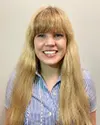 Feeding Disease: How a Westernized Diet Remodels the Stomach
Amy Engevik, PhD
Medical University of South Carolina
Westernized diets high in fats and sugar are increasingly common worldwide. These unhealthy diets are linked to the dramatic increase in obesity that has occurred over the last 50 years. While the impact of westernized diets is well studied in the liver and intestine, less is known about the effects in the stomach. Our lab has found that a long-term high fat diet and a westernized diet both drive gastric remodeling. Mice fed diets high in fat were found to develop gastric metaplasia and dysplasia, gastric lesions associated with gastric carcinogenesis. Our data indicate that diets high in fat increase inflammatory cells including macrophages, innate lymphoid cells and mast cells which promote gastric transformation. Collectively, these data demonstrate that chronic high-fat diet exposure promotes remodeling of the stomach creating a pro-inflammatory environment that facilitates the development of gastric cancer.
Click here to view the agenda and speakers for this session.
Session 007 – Metabolic Underpinnings of Disease
3:00-4:45 PM
Session Room: TBD
Much of the chronic disease burden that pathologists encounter begins with disordered metabolism. This session follows that thread from hormonal signaling through molecular damage to the inflammatory response. Benjamin Bikman will present insulin resistance as a primary driver of metabolic disease. Dominic D’Agostino will discuss ketones and their role in metabolic health. Paul Reynolds will examine glycation and its contribution to chronic inflammation. Two additional ten-minute talks, chosen from submitted abstracts, will bring new experimental work into the discussion.
Click here to view the agenda, speakers, and co-chairs for this session.
Session 008 – Biological Changes Induced in Space – Aging Connection with Cardiovascular Disease
3:00-4:45 PM
Sponsored by the ASIP Repair and Regeneration Scientific Interest Group and The Trivedi Institute for Space and Global Biomedicine at the University of Pittsburgh
Session Room: TBD
Spaceflight presents a unique environment that profoundly influences human biology, revealing fundamental mechanisms of tissue homeostasis, regeneration, aging, immunity, metabolism, and disease that are difficult or impossible to study on Earth. This session will highlight cutting-edge advances in space biomedicine, spanning molecular and cellular responses to the space environment, innovative experimental platforms, and emerging technologies that are transforming our understanding of human health in space. Speakers will discuss how discoveries made through spaceflight research are advancing precision medicine, regenerative medicine, and disease prevention while generating new insights with broad relevance to human health on Earth.
Click here to view the agenda, speakers, and co-chairs for this session.
Afternoon Break
4:45-5:15 PM
Location: TBD
Wine and beer will be served
Session 009 – Rous-Whipple Award Lecture
5:30 PM-6:30 PM
Session Room: Twilight
 Wnt-Beta-Catenin Signaling in Liver Pathobiology: From Bench to Bedside
Satdarshan Paul Monga, MD
University of Pittsburgh School of Medicine
Our group has focused on elucidating the many roles of the Wnt-beta-catenin signaling over last 2.5 decades. We have identified an important role of endothelial cells derived Wnts in regulating zone-3 hepatocyte beta-catenin activity to control target gene expression. Loss of Wnt-beta-catenin signaling led to absence of zone-3 gene expression in hepatocytes in zone-3, which now begin to express zone-1 genes. Interestingly, progressive metabolic dysfunction associated steatotic liver disease (MASLD) shows increasing loss of zone-3 and gain of zone-1 gene expression. Forced activation of Wnt signaling in advances MASLD led to improvement in steatosis, inflammation and fibrosis. Additionally, hepatocellular cancers driven by gain-of-function missense mutations in CTNNB1 (gene encoding beta-catenin) show uniform zone-3 gene expression at the expense of zone-1. This led us to identify novel metabolic vulnerabilities that allow us to treat beta-catenin mutated HCCs with selective inhibitors of mTOR and is currently being evaluated in clinical trials. Additionally, beta-catenin mutated HCCs show lack of functional T cells and B cells in the tumor microenvironment resulting in suboptimal responses to the standard of care immune checkpoint inhibitors. As a result, we evaluated direct inhibition of beta-catenin using lipid nanoparticle with siRNA against CTNNB1. This led to notable reduction in tumor burden that was associated with forced normalization of zonation within tumor nodules as well as enrichment of type I/II interferon response. This led to complete response in early tumors and a durable response in late stage disease when combined with an immune checkpoint inhibitor. Thus, forced normalization of metabolic zonation through modulation of the Wnt-beta-catenin signaling to in turn control modular gene expression could be a novel therapeutic strategy for various liver pathologies.
Click here to view the agenda and speakers for this session.
Women in Pathology Networking Event — Connect, Communicate, and Collaborate
6:30-8:30 PM
Session Room: TBD
Join us for an evening celebrating the ASIP community with this Women in Pathology sponsored event! Take a break from the science and bring your outgoing, collegial, and team-building self – join us for an evening of treats, drinks, and games! Women in Pathology invites you to shake things up a bit and connect with your colleagues in a night of conversation, networking, and fun competition playing games outside your everyday routine. Everyone is welcome!
SUNDAY, MAY 2, 2027
Badge Pick-Up
7:00 AM-5:00 PM
Continental Breakfast
7:00-8:00 AM
Session 010 – Obesity-Neuro-Cardio Axis – New Central Targets for Obesity Treatment
8:00-9:45 AM
Session Room: TBD
The global rise in obesity has underscored the urgent need for a deeper understanding of the neural mechanisms that govern energy balance and body weight regulation. The brain acts as a central integrator that continuously monitors nutritional status, hormonal cues, and environmental inputs to coordinate feeding behavior, energy expenditure, and glucose homeostasis. Recent therapeutics targeting central receptors like MC4R (Setmelanotide) or GLP1R (semaglutide and tirzepatide) have demonstrated great efficacy and have further established neuronal pathways as valid targets to promote significant and sustained weight loss. This session will explore emerging neuronal pathways that control feeding behavior and discuss new central proteins and receptors that could be targeted by the next generation of obesity treatments.
Click here to view the agenda, speakers, and co-chairs for this session.
Session 011 – Mechanisms of (Peri)Ocular Tumorigenesis
8:00-9:45 AM
Sponsored by the ASIP Ocular Pathobiology Scientific Interest Group
Session Room: TBD
This session will highlight emerging insights into the molecular mechanisms driving intraocular and periocular cancers. Speakers will emphasize how defining tumor-specific genetic and metabolic dependencies can reveal actionable vulnerabilities for the development of therapeutic interventions.
Click here to view the agenda, speakers, and chair for this session.
Coffee Break
10:00-10:25 AM
Location: TBD
Session 012 – Pathobiology for Basic Scientists Course: Alternatives to Animal Research – Organoids, Organs-on-a-Chip, and In Silico Research
10:30 AM-12:15 PM
Sponsored by the ASIP Education Committee
Session Room: TBD
The Pathobiology for Basic Scientists Course this year will cover the topic of Alternatives to Animal Models for Pathology Research. The goal of this session will be to describe emerging technologies such as organ-on-a-chip, organoids, and in-silico modeling as viable alternatives to utilizing animal models for pathology research. The session provides opportunities for interactions between experts in the field, experimental pathology researchers, and trainees.
Click here to view the agenda, speakers, and co-chairs for this session.
Session 013 – Minisymposia
10:30 AM-12:15 PM
Session Room: TBD
Session 014 – Lunch and Poster Blitzes (3-minute poster preview talks)
12:45-1:45 PM
Session Room: TBD
Session 015 – Outstanding Investigator Award Lecture
2:00-2:45 PM
Session Room: Twilight
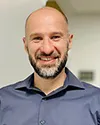 A Journey to Better Understanding Innate Immunity in Tissue Homeostasis and Disease
Ronen Sumagin, PhD
Northwestern University
Innate immune cells are among the first responders to tissue injury, yet their functions extend far beyond initiating inflammation. This lecture will trace my scientific journey toward improved understanding of how neutrophils integrate inflammatory, reparative and pathological responses to shape tissue homeostasis and disease. Beginning with studies defining the molecular mechanisms that regulate neutrophil recruitment and trafficking, I will highlight how advances in intravital microscopy allowing to visualize immune cell behavior in vivo revealed unexpected trafficking patterns for neutrophils in inflamed mucosa. I will discuss how tissue-specific signals reprogram neutrophil phenotype and function, enabling dynamic crosstalk with macrophages, endothelial cells and epithelial cells to coordinate disease exacerbation or mucosal repair. Finally, I will highlight how specialized neutrophil populations promote tissue regeneration or contribute to chronic inflammation colorectal cancer and therapeutic resistance. Through this lecture I hope to illustrate how integrating fundamental mechanisms of innate immunity with human disease may identify new opportunities for therapeutic intervention in chronic inflammatory diseases and cancer.
Click here to view the agenda and speakers for this session.
Session 016 – Robert E. Stowell Memorial President’s Symposium – Advances in Atherosclerosis Pathobiology and Imaging
3:00-4:45 PM
Session Room: Twilight
Today, we understand the pathogenesis of atherosclerosis as the complex and dynamic interaction of numerous cellular and molecular process, including lipid metabolism, inflammation, systemic clonal mutations, cellular trans differentiation, and biomechanical forces. Together, these forces govern a unique arterial wall microenvironment leading to formation of plaque, with diagnostically important histologic features. This symposium will feature experts discussing their recent exciting advances in two of these processes that dictate plaque development, and a novel diagnostic imaging technique to detect plaque vulnerable to rupture. First, Dr. Robert Wirka leverages large-scale Genome-Wide Association Studies (GWAS) and single-cell RNA sequencing to decipher the complex life cycle of resident vascular cells. He will discuss how specific causal coronary artery disease genes dictate whether a smooth muscle cell transitions into a protective fibrous cap phenotype or a disease-driving alternative fate, offering critical insights into plaque stability. Second, Dr. Alan Tall has illuminated how Clonal Hematopoiesis of Indeterminate Potential accelerates atherosclerosis and will guide us through the molecular mechanisms by which these mutant hematopoietic stem cells hyper-activate macrophage inflammasomes and drive necrotic core formation. Third, Dr. Caterina Gallippi develops pioneering Acoustic Radiation Force (ARF)-based imaging techniques and ultrasound elastography to non-invasively interrogate the mechanical and viscoelastic properties of tissues. She will discuss how ARF-imaging will allow clinicians to precisely delineate the composition, stiffness, and vulnerability of carotid atherosclerotic plaques, transforming stroke risk prediction and patient monitoring without the need for radiation. Please join us for this multi-scale view of the modern fight against cardiovascular disease.
Click here to view the agenda, speakers, and chair for this session.
Session 017 – Poster Session I
5:00-6:30 PM
Session Room: Scenic/Vista
Wine and beer will be served
Session 018 – Gold-Headed Cane Award Lecture
6:30-7:30 PM
Session Room: Twilight
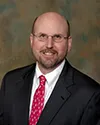 Dissecting the Molecular Triggers Underlying Pandemics
James Musser, MD, PhD
Houston Methodist Research Institute
Pandemics caused by microbial pathogens have caused countless human deaths and societal upheaval for millennia. Historically the molecular events contributing to pandemics were largely unknown. Biomedical scientists, historians, clerics and others were forced to infer causative factors or construct baroque and sometimes bizarre explanations to explain contributory pathogenesis events. Stimulated in part by the untimely death of the Muppeteer Jim Henson in 1990 caused by Streptococcus pyogenes (group A streptococcus, GAS) necrotizing pneumonia, we have applied the theory and techniques of molecular population genomics and microbial pathogenesis to address the fundamental problem of pandemics. Integrated analysis of very large populations of GAS obtained over decades from waves of human infections have yielded surprising basic science discoveries that have direct clinical and translational implications. Analogous approaches have more recently been used to investigate the COVID-19 pandemic and a rapid global increase in severe human infections caused by Streptococcus dysgalactiae subspecies equisimilis. These and other studies have taught that analysis of the molecular triggers contributing to microbial pandemics is a very exhilarating area of pathogenesis research that will provide new discoveries for centuries and stimulate subsequent generations of molecular pathogenesis students.
Click here to view the agenda and speakers for this session.
Trainee Scholar Awards Presentation
7:30-8:00 PM
Session Room: Twilight
Scientific Interest Group Networking Event and Reception
8:00-9:30 PM
Location: TBD
MONDAY, MAY 3, 2027
Badge Pick-Up
7:00 AM-5:00 PM
Continental Breakfast
7:00-8:00 AM
Session 019 – Microbiome-Immune Interactions
8:00-9:45 AM
Sponsored by the Inflammation and Immunopathology Scientific Interest Group
Session Room: TBD
The microbiome not merely as a collection of organisms, but as an immune organ — a dynamic ecosystem that continuously shapes immune development, homeostasis, tolerance, and inflammatory disease. Once viewed primarily as a local regulator of intestinal immunity, the gut microbiome is now recognized as a key driver of immune responses throughout the body. This session examines how microbial signals influence gut myeloid cell biology and how intestinal barrier dysfunction promotes immune activation along the gut-liver axis, revealing mechanisms by which host-microbiome interactions coordinate health and disease across tissues.
Click here to view the agenda, speakers, and chair for this session.
Session 020 – Biomarker Discovery Using Bioinformatics and Machine Learning
8:00-9:45 AM
Sponsored by the ASIP Molecular Diagnostic Pathology Scientific Interest Group
Session Room: TBD
This session focuses on biomarker discovery using modern technologies – bioinformatics and machine learning. We have speakers from a diverse background to present their findings on biomarker discovery via bioinformatics and machine learning. In this session, you will learn how these different tools have been used in biomarker research in different diseases and in the scenario of drug discovery.
Click here to view the agenda, speakers, and co-chairs for this session.
Coffee Break
10:00-10:25 AM
Session 021 – Breast Cancer Workshop: Microbiome and Breast Cancer
10:30 AM-12:15 PM
Sponsored by the ASIP Breast Cancer Scientific Interest Group
Session Room: TBD
This Breast Cancer Workshop session will explore the emerging and rapidly evolving role of the microbiome in breast cancer development, progression, metastasis, prevention, and therapeutic response. Speakers will discuss how gut and breast tissue–resident microbial communities influence tumor biology through immune, hormonal, dietary, and tissue-specific mechanisms, and how microbiota may shape communication between distant organs and tumors to promote metastasis. The session will also highlight opportunities to translate microbiome science into strategies for breast cancer risk reduction, treatment optimization, and improved patient outcomes.
Click here to view the agenda, speakers, and co-chairs for this session.
Session 022 – Myeloid Cells in Gastrointestinal and Liver Pathobiology
10:30 AM-12:15 PM
Session Room: TBD
Myeloid cells including mononuclear phagocytes and granulocytes play central roles in the defense against invading pathogens and in maintaining homeostasis at mucosal barriers. However, their increased infiltration and exacerbated or defective activation emerges as a hallmark of chronic inflammatory and tumoral diseases. This season will cover hot topics in our understanding of these cells at digestive tissues, defining environmental cues that dictate their phenotypic diversity and the mechanisms that govern their interactions with key resident structural cells in the context of chronic inflammation.
Click here to view the agenda, speakers, and co-chairs for this session.
Session 023 – Lunch and Poster Blitzes (3-minute poster preview talks)
12:45-1:45 PM
Session Room: TBD
Session 024 – Autophagy in Liver Disease: Pathobiology and Therapeutic Implications
2:00-3:45 PM
Sponsored by the Liver Pathobiology Scientific Interest Group
Session Room: TBD
Autophagy is a catabolic process that results in clearance of abnormal or damaged proteins and organelles that would otherwise accumulate and lead to cellular stress. In the liver, autophagy also plays an important role in maintaining cellular and metabolic homeostasis by providing nutrients for energy production. Dysregulated autophagy can lead to liver diseases such as metabolic dysfunction-associated steatotic liver disease, drug-induced liver injury, cholestasis, and cancer. This session will explore the molecular mechanisms underlying autophagy, and also discuss how dysregulated hepatic autophagy exacerbates disease. Therapeutic implications of modulating autophagy in liver disease will also be discussed.
Click here to view the agenda, speakers, and co-chairs for this session.
Session 025 – Guest Society Symposium – Cancer Biology, Histology, and Pathology
2:00-3:45 PM
Sponsored by the Histochemical Society and the Japan Society for Histochemistry and Cytochemistry
Session Room: TBD
This session is a collaborative initiative of the Histochemical Society (HCS) and the Japan Society for Histochemistry and Cytochemistry (JSHC), with support from Acta Histochemica et Cytochemica (AHC), bringing together an international community of scientists and clinicians to explore advances at the intersection of cancer biology, histology, and pathology. The session will highlight diverse perspectives and approaches from researchers in the United States, Japan, and beyond, celebrating the value of international collaboration in advancing our understanding of cancer.
Session 026 – Poster Session II
4:30-5:30 PM
Session Room: Scenic/Vista
Beer and wine will be served
ASIP Business Meeting and Meritorious Awards Presentations
5:30-7:00 PM
Session Room: Twilight
Society-Wide President’s Reception and Networking Event
7:00-9:00 PM
Location: TBD
TUESDAY, MAY 4, 2027
Badge Pick-Up
7:00 AM-5:00 PM
Continental Breakfast
7:00-8:00 AM
Session 027 – Neuroinflammation in Metabolic Disease
8:00-9:45 AM
Sponsored by the ASIP Neuropathology Scientific Interest Group
Session Room: TBD
This session examines how peripheral metabolic dysfunction reaches across the blood-brain barrier to drive neuroinflammation and cognitive decline. Talks will span the lipid, immune, and cellular circuits linking cardiometabolic disease to brain health – from disrupted lipoprotein metabolism as a shared driver of cardiometabolic and neurodegenerative disease, to microglial lipid handling as a central node in metabolic neuroinflammation, to T-cell-mediated circuits connecting liver inflammation to the CNS. Together, the speakers offer complementary mechanistic entry points – lipid metabolism, innate immune (microglial) responses, and adaptive immune (T-cell) trafficking – into a common question: how does peripheral metabolic disease reprogram the neuroimmune landscape of the brain?
Click here to view the agenda, speakers, and co-chairs for this session.
Session 028 – Multicellular Organoid Models Across Organs as a Disease Modeling and Therapeutic Testing Platform
8:00-9:45 AM
Session Room: TBD
Multicellular organoid systems are rapidly expanding our ability to model human disease in physiologically relevant platforms. This session will highlight advances in organoid models across multiple organ systems, with invited presentations focused on human kidney organoids, liver disease organoid platforms, intestinal organoids for gastrointestinal disorders, and self-organizing cardiac organoids derived from pluripotent stem cells. A central theme of the session will be the use of organoid models as bridges between conventional cell culture, animal models, and human clinical disease. By incorporating multicellular architecture and organ-relevant biology, these platforms offer new opportunities to investigate disease mechanisms, evaluate therapeutic responses, screen candidate drugs, and develop more predictive preclinical models. This session will be of interest to experimental pathologists, cell and developmental biologists, stem cell researchers, translational scientists, and investigators seeking human-relevant systems for mechanistic disease studies and therapeutic testing.
Click here to view the agenda, speakers, and chair for this session.
Coffee Break
10:00-10:25 AM
Location: TBD
Session 029 – Imaging the Dynamic Tumor Ecosystem: From Cells to Circuits
10:30 AM-12:15 PM
Sponsored by the Neoplasia, Tumor Microenvironment, and Metastasis Scientific Interest Group
Session Room: TBD
Recent advances in imaging, from single-cell and subcellular resolution to whole-tissue and systems-level visualization has transformed our ability to decipher the complexity of cancer. This symposium will showcase cutting-edge imaging technologies and integrative analytical approaches that enable investigators to visualize, quantify, and model the dynamic tumor ecosystem across biological scales all the way from “cells to circuits.” Experts in metabolic imaging, multiplexed spatial imaging, intravital microscopy, and computational image analysis will highlight how these complementary approaches reveal cellular signaling, immune interactions, and tissue remodeling that drive tumor progression, metastasis, therapeutic response, and resistance. Together, these advances are reshaping our understanding of cancer biology and accelerating the development of more precise therapeutic strategies.
Click here to view the agenda, speakers, and co-chairs for this session.
Session 030 – The Injured Lung: Cellular Mechanisms of Inflammation, Repair, and Remodeling
10:30 AM-12:15 PM
Session Room: TBD
Lung injury triggers coordinated responses among immune, stromal, epithelial, and vascular cells that ultimately determine whether tissues repair successfully or progress toward chronic disease. Understanding how these cellular networks coordinate protective and pathological responses is critical for developing new therapeutic strategies. This session will highlight emerging mechanisms controlling lung injury responses in infectious, inflammatory, and fibrotic settings, with particular emphasis on cellular communication, tissue integrity, and disease pathogenesis.
Click here to view the agenda, speakers, and co-chairs for this session.
Session 031 – Lunch and Career Development/Education Session: Artificial Intelligence in Graduate and Medical Education
12:45-1:45 PM
Sponsored by the ASIP Education Committee and the Novel Education and Teaching (SIGNET) Scientific Interest Group
Session Room: TBD
This session will explore the use of artificial intelligence (AI) applications in graduate and medical pathology education, with an emphasis on how AI can enhance educational experiences and support student learning. The session will also address the challenges and considerations associated with integrating AI into pathology curricula. Presentations will provide an overview of current applications, foundational approaches, and emerging practices in AI-enhanced education. The session will conclude with a panel discussion focused on identifying and addressing specific challenges faced by educators and learners in implementing AI within this educational domain.
Click here to view the agenda, speakers, and chair for this session.
Session 032 – Young Scientist Leadership Award Lecture
2:00-2:45 PM
Session Room: TBD
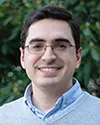 Multi-Barrier Breakdown as a Foundational Mechanism for Cognitive Dysfunction in Infectious-Associated Chronic Illnesses
Francisco Carrillo-Salinas, PhD
Massachusetts Institute of Technology
Infection-Associated Chronic Illnesses (IACI), such as chronic Lyme Disease and Long COVID, lack objective, mechanism-based biomarkers, leaving clinicians dependent on inadequate symptom-based diagnosis. To address this, we test the central hypothesis that systemic barrier breakdown, including gut, oral and blood-brain barriers, is the foundational mechanism driving the systemic inflammation and neurocognitive dysfunction observed in these patients.
Click here to view the agenda and speakers for this session.
Session 033 – Investigative Pathology in Industry: Accelerating Translational Research and Drug Development with Artificial Intelligence and Computational Tools
3:00-4:45 PM
Sponsored by the ASIP Pathology in Biotech and Industry Scientific Interest Group
Session Room: TBD
This session will explore recent scientific and technological advances in digital pathology and computational tools for tissue evaluation in the biotechnology and pharma industry. Thought leaders from across the biopharmaceutical sector will provide attendees with an in-depth perspective on how artificial intelligence, machine learning, and foundation models are making an impact in automated pathology analysis and nonclinical safety evaluation, and will highlight some of the cutting-edge activities currently underway in investigative pathology within biotech and the pharmaceutical industry.
Click here to view the agenda, speakers, and co-chairs for this session.
Session 034 – Minisymposia
3:00-4:45 PM
Session Room: TBD